
Gambling Addiction
Gambling can be an enjoyable form of entertainment when approached responsibly. Millions of people worldwide play casino games, purchase lottery tickets, place sports bets, or participate in other gambling activities without experiencing serious problems. However, for some individuals, gambling can gradually become difficult to control and begin affecting finances, relationships, work, and emotional well-being. This condition is commonly known as gambling addiction.


Understanding what gambling addiction is, how it develops, and how to recognize the warning signs is an important step toward prevention and recovery. Whether you are concerned about your own behavior or worried about someone close to you, learning about gambling addiction awareness can help you identify potential problems before they become more severe.
What Is Gambling Addiction?
Many people ask, “What is gambling addiction?” or “What is a gambling addiction?” In simple terms, gambling addiction is a behavioral disorder characterized by an inability to control gambling activities despite negative consequences.
Unlike casual gambling, addiction to gambling often continues even when losses accumulate, debts increase, or personal relationships suffer. The urge to gamble may become difficult to resist, leading individuals to spend more time and money than originally intended.
Gambling Addiction Meaning Explained
The gambling addiction meaning goes beyond simply enjoying betting or casino games. Addiction occurs when gambling becomes a compulsive behavior rather than a recreational activity.
Common characteristics include:
- Constant thoughts about gambling
- Difficulty limiting gambling activity
- Chasing losses
- Gambling with money needed for essential expenses
- Feeling anxious or restless when unable to gamble
Not every frequent gambler develops an addiction, but understanding the difference between entertainment and compulsive behavior is essential.
How Does Gambling Addiction Start?
Many people wonder how does gambling addiction start and why some individuals become vulnerable while others do not.
The process is often gradual. A person may begin gambling recreationally, experience a significant win, and start associating gambling with excitement, financial gain, or emotional relief. Over time, gambling may become a way to cope with stress, boredom, loneliness, or other personal challenges.
What Causes Gambling Addiction?
There is rarely a single answer to the question of what causes gambling addiction.
Several factors may contribute:
- Psychological stress
- Depression or anxiety
- Financial difficulties
- Family history of addiction
- Impulsive personality traits
- Social influences
- Easy access to gambling platforms
Similarly, when asking what causes a gambling addiction, experts often point to a combination of biological, environmental, and emotional factors rather than one specific trigger.
Gambling Addiction Signs and Warning Indicators
Recognizing gambling addiction signs early can make a significant difference in recovery outcomes.
Many individuals experiencing gambling-related harm attempt to hide their behavior from friends and family. This is why understanding the warning signs of gambling addiction is so important.
Common Signs and Symptoms of Gambling Addiction
Some of the most common signs and symptoms of gambling addiction include:
- Spending increasing amounts of money on gambling
- Borrowing money to continue gambling
- Hiding gambling activity
- Neglecting work or family responsibilities
- Frequently thinking about gambling
- Feeling guilty after gambling
- Attempting unsuccessfully to stop
These addiction to gambling symptoms may vary from person to person, but patterns of loss of control are often present.
How to Spot Gambling Addiction in Yourself or Others
If you are wondering how to spot gambling addiction, consider whether gambling behavior is creating negative consequences.
Questions to ask include:
- Is gambling causing financial problems?
- Has gambling affected relationships?
- Is gambling becoming difficult to control?
- Has gambling replaced other hobbies or interests?
- Is more money being spent than planned?
Honest answers can help identify whether professional support may be needed.
How Bad Is Gambling Addiction?
People often underestimate how bad gambling addiction can become if left unaddressed.
Potential consequences may include:
- Significant debt
- Relationship breakdowns
- Mental health difficulties
- Job loss
- Social isolation
- Reduced quality of life
The impact extends beyond finances. Emotional stress, anxiety, depression, and feelings of shame frequently accompany gambling-related harm.
This is why gambling addiction awareness efforts focus not only on money management but also on overall well-being.
Gambling Addiction Prevention and Responsible Gambling Tips
Preventing harmful gambling behavior is often easier than addressing serious addiction after it develops.
Responsible Gambling Tips for Everyday Players
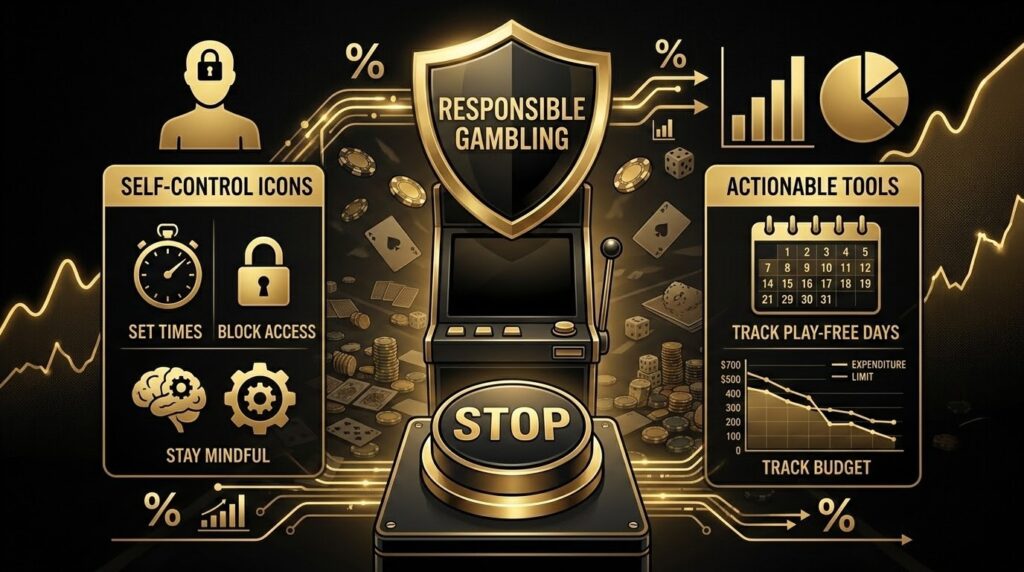
Some practical responsible gambling tips include:
- Set spending limits before playing
- Establish time limits
- Never gamble with borrowed money
- Avoid gambling while emotional or stressed
- View gambling as entertainment, not income
- Take regular breaks
These habits can help maintain a healthy relationship with gambling activities.
Responsible Gambling Tips and Bankroll Management
Responsible gambling tips bankroll management strategies often focus on controlling financial risk.
Recommended approaches include:
- Create a dedicated gambling budget.
- Never exceed pre-planned limits.
- Track wins and losses honestly.
- Avoid chasing losses.
- Stop gambling when limits are reached.
Strong bankroll management is one of the most effective prevention tools available.
How to Deal With Gambling Addiction
For individuals already experiencing difficulties, learning how to deal with gambling addiction is an important step toward recovery.
The first step is acknowledging the problem. Many people delay seeking help because of embarrassment or fear of judgment.
Recovery often begins with:
- Honest self-assessment
- Support from family or friends
- Professional counseling
- Financial planning assistance
- Participation in support groups
Every recovery journey is unique, and there is no single solution that works for everyone.
How to Stop Gambling Addiction and Regain Control
People searching for how to stop gambling addiction or how to stop my gambling addiction are often looking for practical actions they can take immediately.
Helpful measures may include:
- Blocking gambling websites and apps
- Limiting access to funds
- Avoiding gambling triggers
- Seeking professional guidance
- Replacing gambling with healthier activities
Consistency is often more important than speed when working toward recovery.
How to Overcome Gambling Addiction Long Term
Understanding how to overcome gambling addiction requires recognizing that recovery is an ongoing process.
Long-term success often involves:
- Building healthy routines
- Strengthening support networks
- Addressing underlying emotional issues
- Practicing self-awareness
- Maintaining financial accountability
Many individuals successfully recover and rebuild their lives with the right support systems.
How to Avoid Gambling Addiction Before Problems Begin
The most effective strategy is often prevention. Learning how to avoid gambling addiction means recognizing risk factors, maintaining healthy boundaries, and understanding that gambling outcomes are never guaranteed. By approaching gambling responsibly and staying aware of behavioral changes, individuals can significantly reduce the likelihood of developing harmful patterns over time.
Building Awareness Is the First Step Toward Recovery
Gambling addiction can affect people from all backgrounds, regardless of age, income, or gambling experience. Understanding gambling addiction signs, causes, prevention strategies, and recovery options allows individuals to make informed decisions and seek help when needed. Whether the goal is prevention, early intervention, or long-term recovery, awareness remains one of the most powerful tools for protecting personal well-being and maintaining a healthy relationship with gambling activities.
Most Popular in Blog



More in Blog



Gambling Addiction: Signs, Prevention, Support & Recovery
What is gambling addiction and how is it different from casual gambling?
Gambling addiction is a behavioral disorder in which a person finds it difficult or impossible to control their gambling activities despite experiencing negative consequences. Casual gambling is typically viewed as entertainment and remains within personal financial and time limits. In contrast, addiction to gambling often leads to repeated gambling despite losses, emotional distress, relationship problems, or financial difficulties. The key difference is the loss of control. A person with gambling addiction may continue gambling even when they recognize that it is causing harm to their personal, professional, or financial life.
What are the most common gambling addiction signs?
Some of the most common gambling addiction signs include spending more money than intended, constantly thinking about gambling, hiding gambling activity from family or friends, borrowing money to continue playing, and repeatedly trying to recover losses through additional gambling. Other warning signs of gambling addiction may include neglecting responsibilities, experiencing mood changes related to gambling outcomes, and feeling restless when unable to gamble. These behaviors often develop gradually, making it important to monitor gambling habits regularly and recognize changes before they become serious problems.
What causes gambling addiction?
There is no single answer to what causes gambling addiction because the condition usually develops through a combination of factors. Psychological issues such as anxiety, depression, stress, or low self-esteem may increase vulnerability. Environmental influences, family history of addiction, social pressure, and easy access to gambling opportunities can also contribute. Some individuals are naturally more impulsive or more sensitive to rewards, making gambling particularly appealing. Understanding what causes a gambling addiction can help individuals recognize personal risk factors and take preventive measures before gambling behavior becomes harmful.
How does gambling addiction start?
Many people are surprised by how gradually gambling addiction can begin. A person may initially gamble for entertainment and enjoy occasional wins. Over time, gambling can become associated with excitement, escape from stress, or hopes of solving financial problems. As the behavior continues, the individual may start spending more time and money gambling. The desire to recover losses can further reinforce the cycle. Because gambling addiction often develops slowly rather than suddenly, many people fail to recognize the early signs until the problem has already become difficult to manage.
How can someone prevent gambling addiction?
Gambling addiction prevention starts with establishing healthy boundaries from the beginning. Responsible gambling tips include setting strict spending limits, creating a dedicated gambling budget, avoiding gambling with borrowed money, and treating gambling strictly as entertainment rather than a source of income. Players should also monitor how much time they spend gambling and take regular breaks. Learning about gambling addiction awareness and recognizing potential warning signs early can significantly reduce the risk of developing unhealthy gambling habits over time.
How to deal with gambling addiction if you think you have a problem?
If you believe gambling is becoming difficult to control, acknowledging the issue is an important first step. Learning how to deal with gambling addiction often involves seeking support from trusted friends, family members, counselors, or support groups. Many people benefit from blocking gambling websites, limiting access to funds, and creating structured financial plans. Professional therapy can also help address the emotional and psychological factors that contribute to compulsive gambling. The earlier support is sought, the easier it may be to prevent further financial and personal harm.
Can gambling addiction be overcome?
Yes, many people successfully overcome gambling addiction and rebuild healthy lives. Recovery usually requires a combination of self-awareness, professional support, behavioral changes, and long-term commitment. Individuals who learn how to overcome gambling addiction often focus on identifying triggers, developing healthier coping strategies, and maintaining accountability through support networks. Recovery is rarely a quick process, and setbacks can occur, but long-term improvement is possible. Many former problem gamblers are able to regain financial stability, repair relationships, and develop healthier lifestyles with appropriate support.
What are responsible gambling tips for bankroll management?
Responsible gambling tips bankroll management practices focus on controlling financial risk and preventing impulsive decisions. Players should establish a gambling budget before playing, separate gambling funds from essential living expenses, and never attempt to recover losses by increasing stakes. It is also helpful to track deposits, withdrawals, wins, and losses honestly. Setting daily, weekly, or monthly limits can provide additional protection. Effective bankroll management does not guarantee winning results, but it helps players maintain control over their spending and reduces the likelihood of gambling-related financial problems.