
Luckera Casino and the Differences Between Live Casino Games and Slot Games
Contents
Two Ways to Play, One Casino Floor
Ask ten online casino regulars why they gamble the way they do, and you’ll get two camps. One group wants a quick, private spin between errands — headphones in, screen dimmed, nobody watching. The other wants a table, a dealer, and the sense that real cards are actually moving. Both crowds are chasing the same thing — entertainment with a shot at real money — but the games that scratch that itch work in almost opposite ways. Below is a closer look at where slots and live dealer games actually diverge, not just in feel but in mechanics, pacing, cost structure, and how much control a player genuinely has over the outcome.
Solo Screen Time vs. a Shared Table
A slot machine is built for one person. You load a session, pick a bet size, and the game reacts only to you — no queue, no other players, no small talk. That’s the appeal for a lot of people: total control over pace, zero social friction, and a game that’s ready the instant you are.
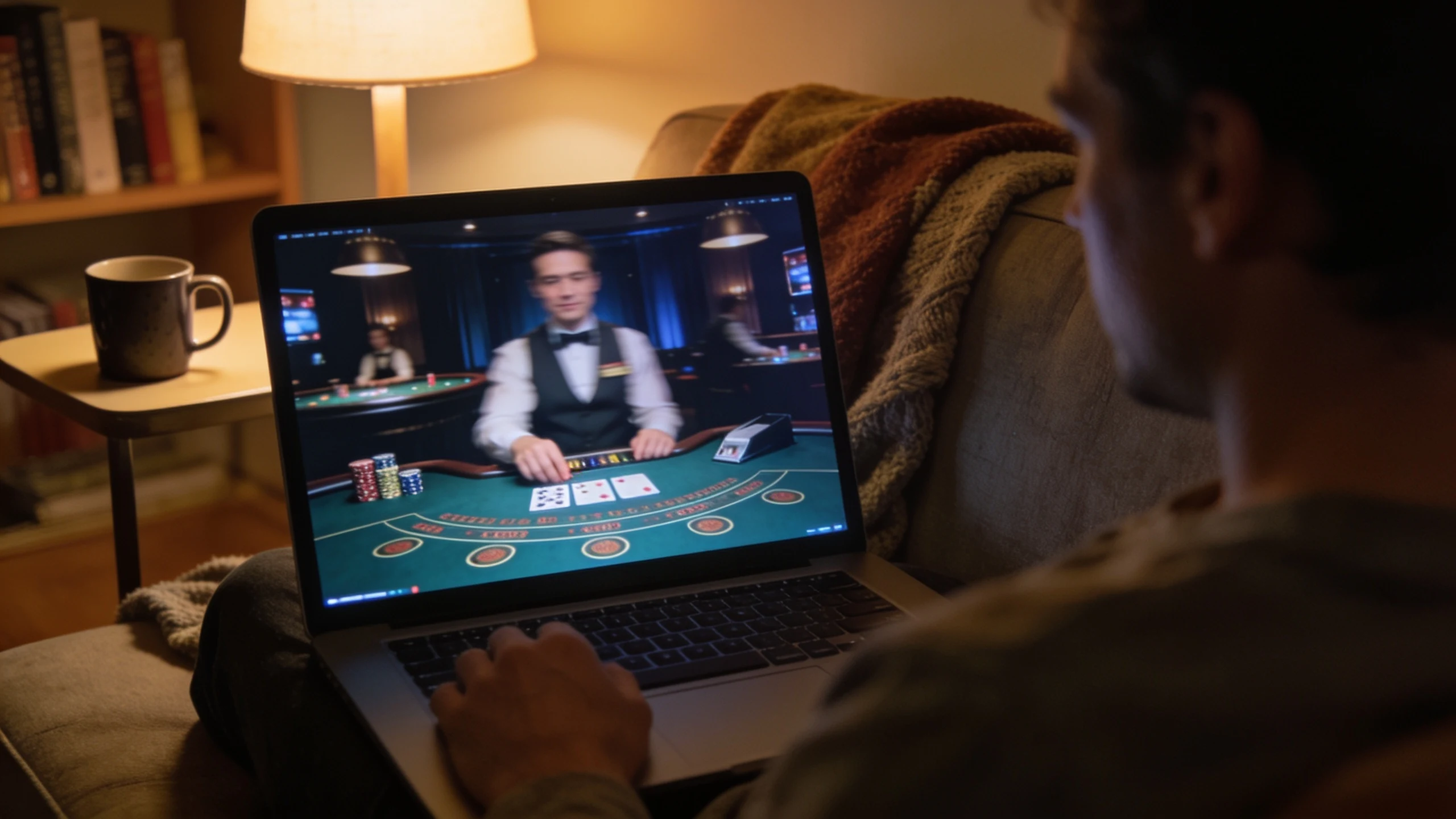
Live dealer games flip that. A real dealer runs the table from a studio, streaming to everyone seated at that round simultaneously, and you can chat with the dealer and often with other players in real time. Blackjack, baccarat, roulette, and poker all run this way. A typical hand of live blackjack looks like this: you place your bet before the timer runs out, the dealer deals from a shoe on camera, you signal hit or stand through the interface (sometimes chatting with the dealer while you decide), and the round resolves on screen with the payout landing in your balance seconds later. It’s slower than a slot spin, but it’s a shared moment rather than a private one.
Whichever style suits you, Luckera Casino runs both side by side — a deep slot catalog for solo sessions and a full live-dealer floor with baccarat, blackjack, roulette, and poker tables when you want company.

Under the Hood: RNG vs. a Real Table
Slots are entirely software-driven. Every spin runs on a random number generator, and the payout structure sits on top of two numbers that matter more than anything else: volatility (how big and how often wins hit) and RTP, or return to player (the theoretical long-run payback percentage). Independent labs such as eCOGRA test and certify these RNGs so the published odds actually match what the software does — there’s no pattern to learn, no “hot machine,” just math running the same way every time.
Live tables replace that software with cameras, a physical table, real cards or a real roulette wheel, and a dealer executing the rules in real time. The equipment and the streaming setup behind it are also certified — Gaming Laboratories International (GLI) audits the shuffling machines, card-recognition systems, and RNG components (like the roulette wheel’s random-outcome tracking) that live studios use, so the “real” game is just as independently checked as a slot’s code.
Pace: Fractions of a Second vs. Full Rounds
Slots move fast. A single spin resolves in under a second, and most machines let you queue up autoplay or crank the speed setting — slow, medium, fast — and adjust it mid-session without breaking stride. It’s built for rapid-fire play.
Live games can’t move that fast because a human being is genuinely dealing cards or spinning a wheel on camera, and every player at the table is watching the same real-time feed. A round of live blackjack or roulette plays out closer to what happens on a physical casino floor — betting window, deal or spin, resolution, next round — which naturally takes longer than a slot’s instant reset.
Why the Minimum Bet Is Higher at Live Tables
Slots are cheap to start. Plenty of online casinos throw in no-deposit free spins for new players specifically because the games cost almost nothing to run per session — it’s just a server executing an algorithm. Just check the wagering requirements before you count that bonus as free money.
Live tables cost more to operate, and that shows up in the minimum bet — Luckera Casino is no exception here. A studio has to pay a dealer’s wage, run cameras and streaming infrastructure, maintain a physical set, and keep multiple tables staffed around the clock. Those production costs get folded into a higher floor for bets, which is simply the price of a real-time, real-dealer product versus a piece of software.
Where Skill Actually Changes Anything
Both slots and live games are real-money games — you bet real money, and a lucky run can pay out several multiples of your stake, occasionally a great deal more. But it’s worth being precise about where skill genuinely enters the picture, because the common claim that “live games let you influence the outcome” is only true for some of them.
In roulette, once the wheel spins, the outcome is pure chance — no amount of experience or “reading” anything changes where the ball lands. The same is essentially true of baccarat, where the drawing rules are fixed and player decisions are minimal. Blackjack is different: basic strategy — a set of mathematically optimal decisions for every hand and dealer upcard — measurably shrinks the house edge over time, even though it can’t guarantee any single hand. Poker is the outlier where skill matters most, because you’re not playing against the house at all but against other players; reading opponents, managing bet sizing, and knowing when to bluff are real, learnable edges there in a way they simply aren’t at a roulette wheel.
So the honest version of the “skill” story is narrower than the pitch usually makes it sound: slots run purely on luck and a certified RNG, roulette and baccarat are luck-only regardless of any dealer-reading instincts, blackjack rewards knowing basic strategy, and poker rewards actual skill against real opponents. Knowing which bucket a game falls into is more useful than any general theory about “beating” live dealer games as a category.
Frequently Asked Questions
Can basic strategy actually beat the house at blackjack?
Basic strategy doesn’t guarantee any single hand, but played consistently it measurably lowers the house edge compared to guessing. It’s a mathematically optimal set of decisions for every hand and dealer upcard combination, not a betting system.
Why is the minimum bet higher at live dealer tables than on slots?
Live tables carry real production costs — a dealer’s wage, camera and streaming infrastructure, and a physical set staffed around the clock. Those costs get folded into a higher betting floor, unlike a slot, which is just software running on a server.
Are live dealer games rigged like some players assume?
Reputable studios have their equipment — shuffling machines, card-recognition systems, roulette RNG components — independently audited by labs like Gaming Laboratories International, the same category of testing that certifies slot RNGs. That doesn’t mean every operator is trustworthy, which is why checking for a real license still matters.


Login
Register